International elective module „Resilient Agriculture“ completed by 17 participants from four countries
Veröffentlicht am: 25. Juni 2026
This summerterm, ten students from University of Inland Norway, University of Murcia (Spain) and Universidad Nacional de Asuncion (Paraguay) connected with seven students of different courses from Rottenburg University in a hybrid course, held in English.

Environment and food security are threatend by climate change, increasing droughts, biodiversity loss and soil degradation. At the same time, modern agriculture itself is one of the major causes for the violation of its own productive resources. Resilient agriculture must respect and restore ecological principles to sustain its productivity under a broad variety of abiotic and biotic stress factors and ongoing global change.
Therefore, Prof. Dr. Jens Poetsch, chair of Agronomy at Rottenburg University, initiated a course in Resilient Agriculture in 2024. “Specific methods must always be adapted to specific site conditions,” Poetsch says. “But there are problems, like loss of soil organic matter or lack of agrobiodiversity, we face all over the world. There are also general principles that make a difference between input-dependent, vulnerable systems and resource-based, resilient systems in agriculture. And by exchange across countries we can amplify our understanding of such principles and find better solutions.”
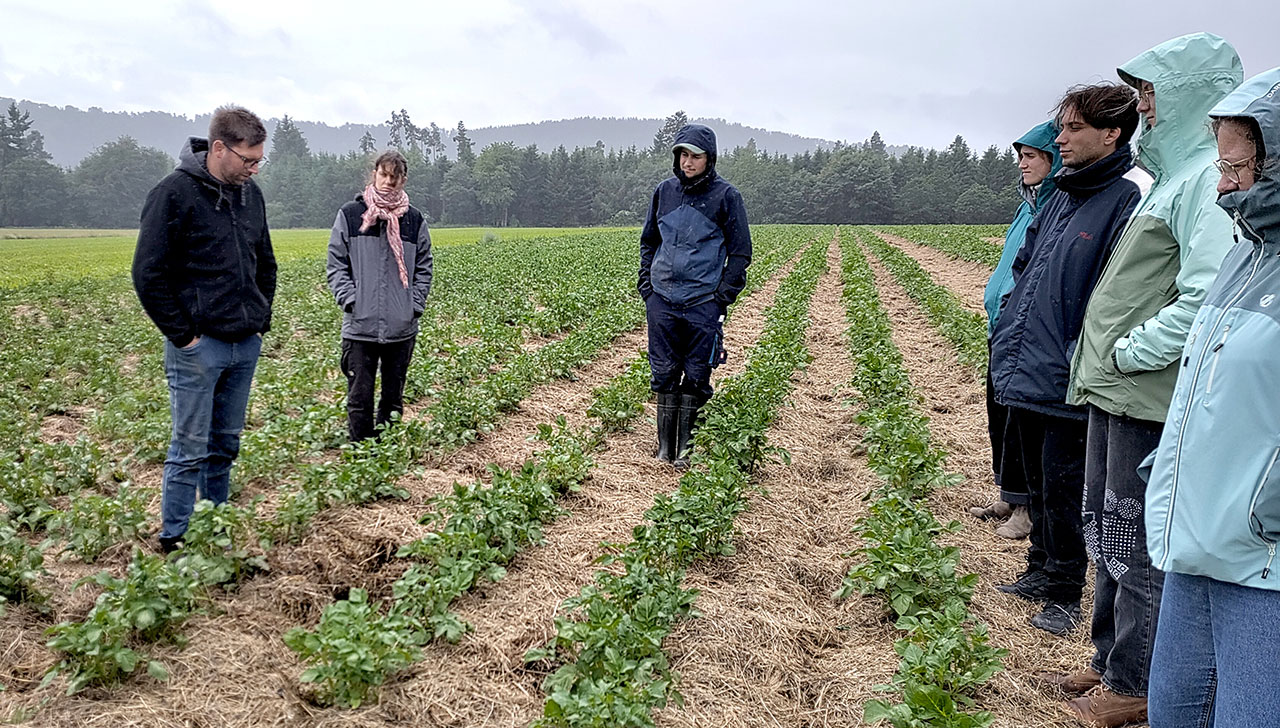
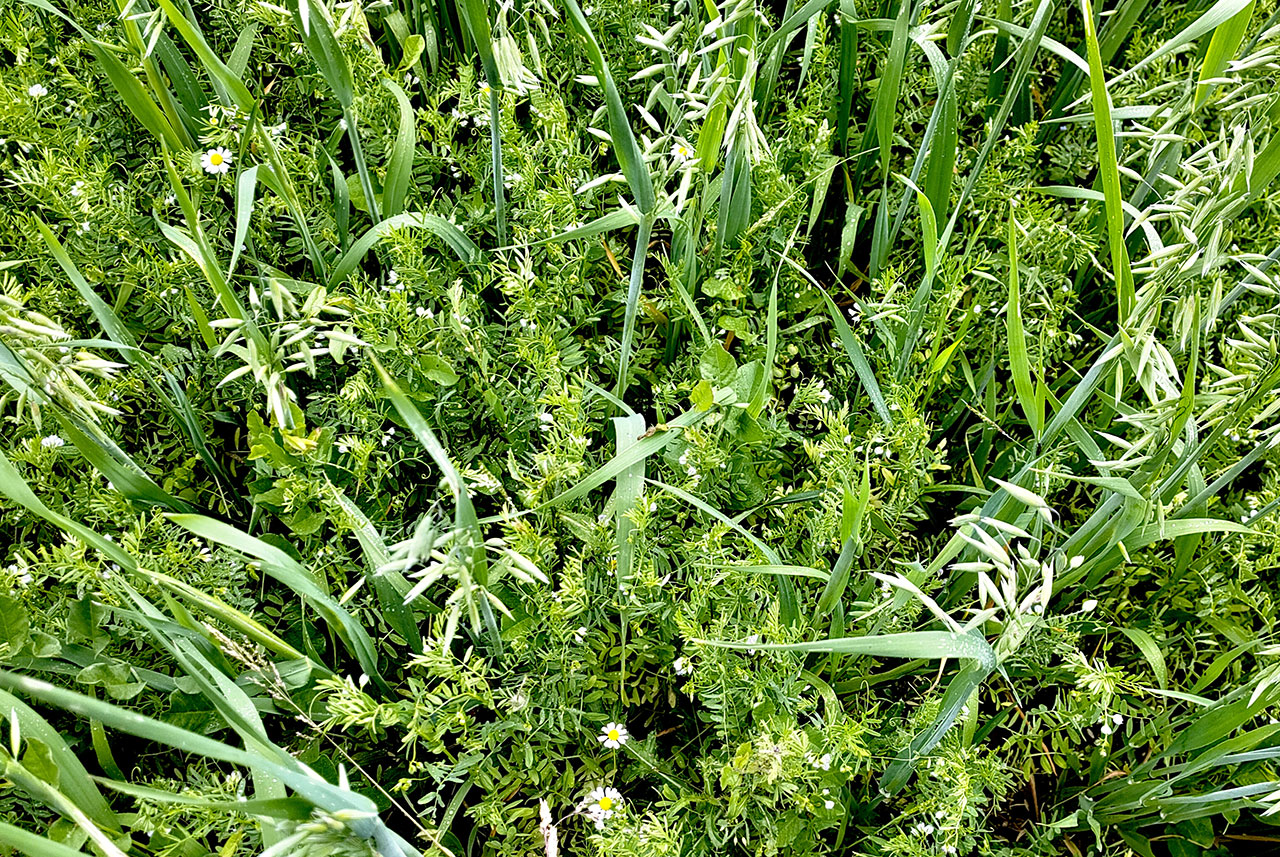
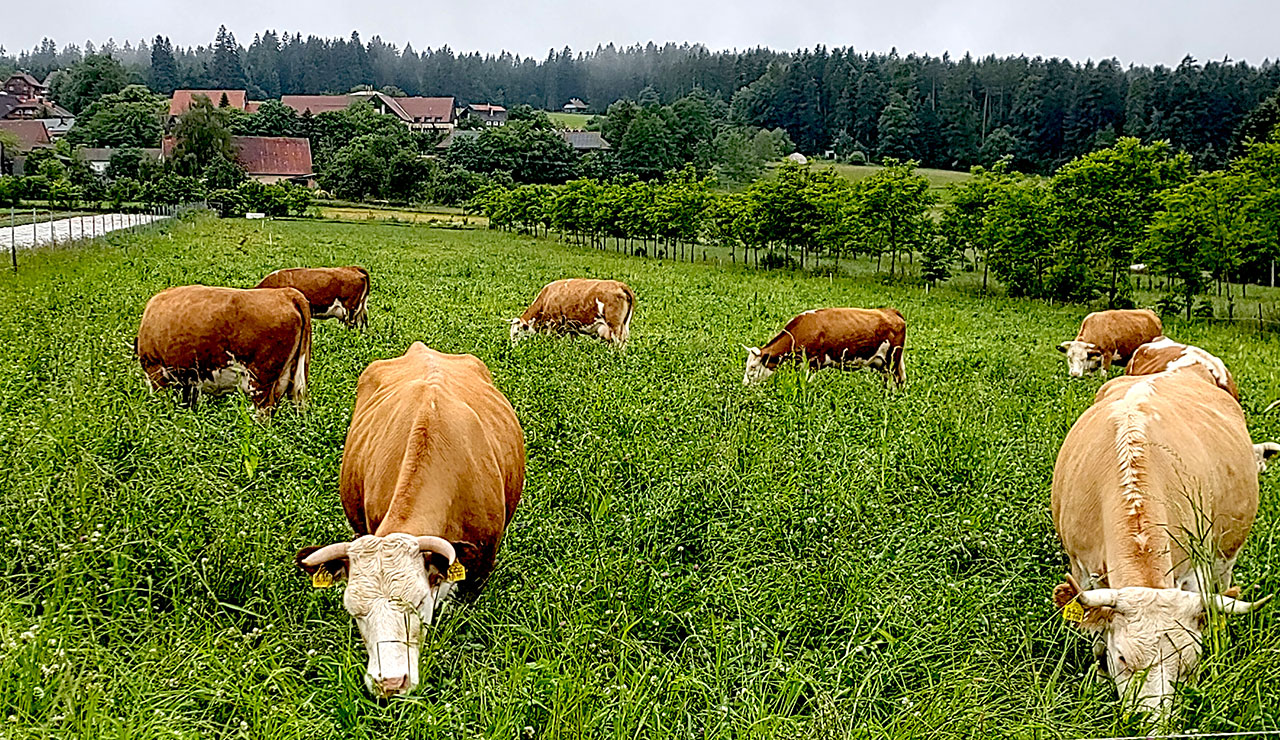
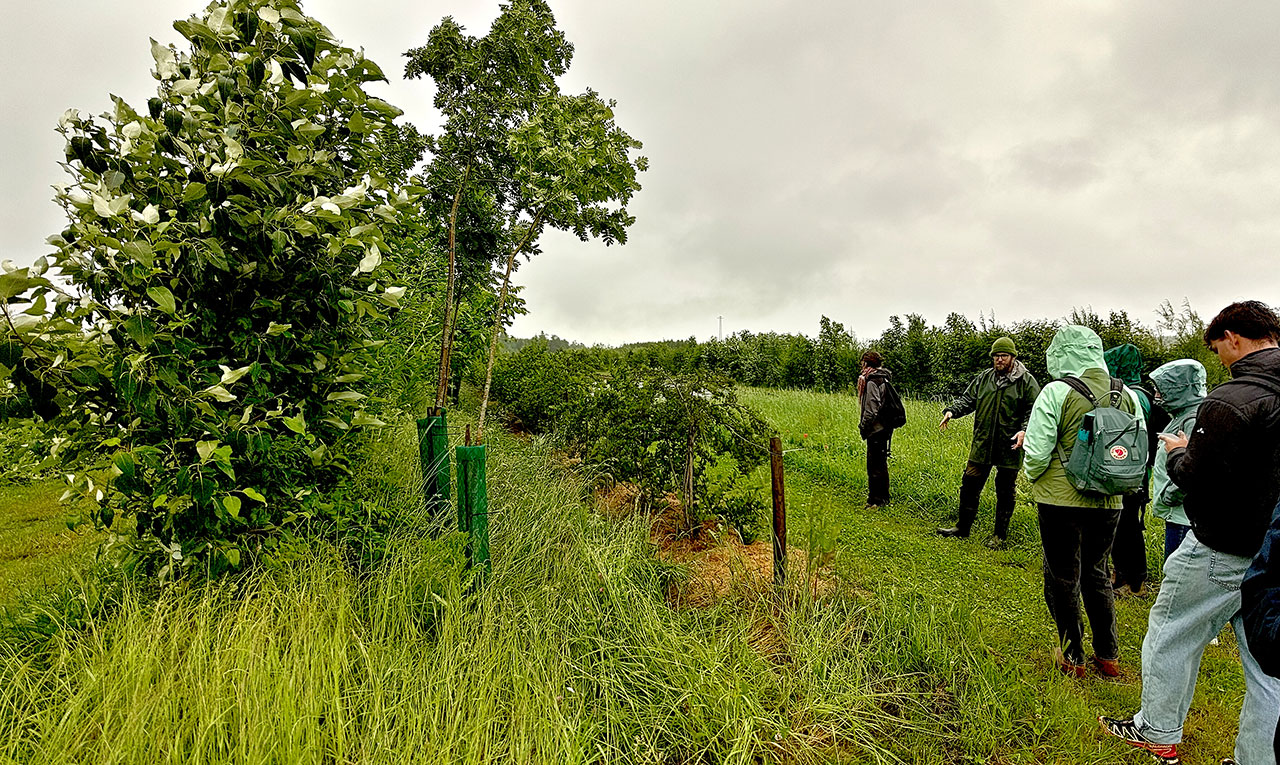
The course consisted of lectures on themes like soil, water, climate, permaculture, agroforestry, organic farming, habitat management, some small experiments and – for the Rottenburg students - an excursion to an organic farm community and a family farm where many things, like agroforestry, soil mulching, local seed sourcing, mob grazing or regional marketing are already practiced. In addition, the students contributed literature analyses, group presentations on lighthouse projects and reports on the excursion or field trips in their home countries respectively.