• Sustainability Management in Spatial Developmentwicklung

    B.Sc. SUSPAD

    Sustainability Management in Spatial Development

Experts for the sustainable management of rural areas.

Sustainability Management in spatial Development (Bachelor of Science)

Sustainability Management in spatial development means developing regions in an economically, socially and ecologically sustainable way. It is important to take into account the interests of business representatives, local authorities, environmental and social organisations and, last but not least, the population, because: Regional management takes place at all social and political levels.

The Sustainable Regional Management degree programme teaches interdisciplinary content in six semesters and one practical semester with the aim of training qualified graduates for planning, management, coordination and consulting tasks.

At a Glance
Ausgezeichnet Logo Hochschule für Forstwirtschaft Rottenburg Logo UNESCO-2014 Hochschule für Forstwirtschaft Rottenburg
Study Focus Areas:

Regional development, land use, spatial and landscape planning, climate protection & energy transition, regional and sustainable economics, nature conservation, transformation & change processes, governance & citizen participation, interdisciplinary collaboration, and social empirical methods.

Duration of Studies:

Seven semesters (six academic semesters plus one practical semester)

Start:

Once a year in the winter semester.

Degree Awarded:

Bachelor of Science (B.Sc.)

Practical Semester:

In the fifth semester at an internship placement in Germany or abroad.

Practical Orientation:

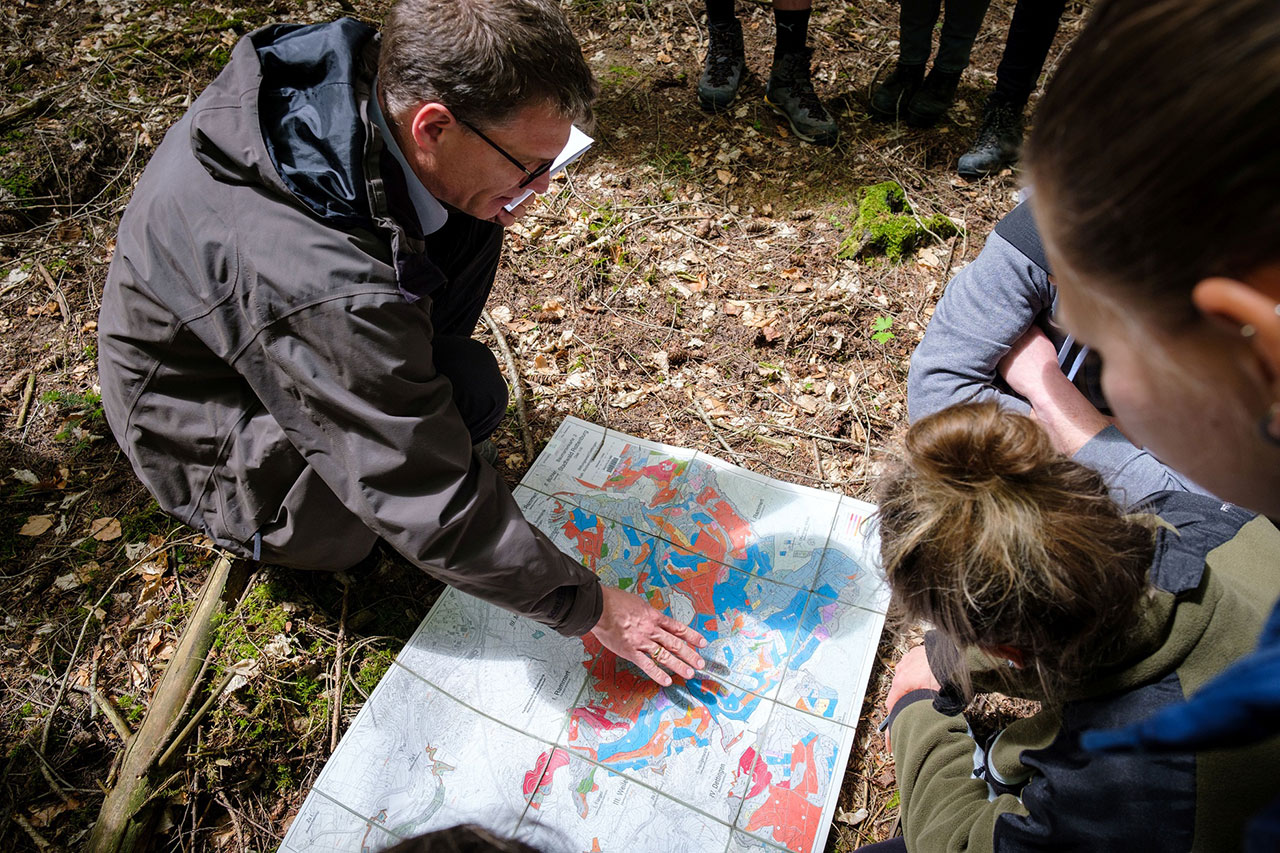
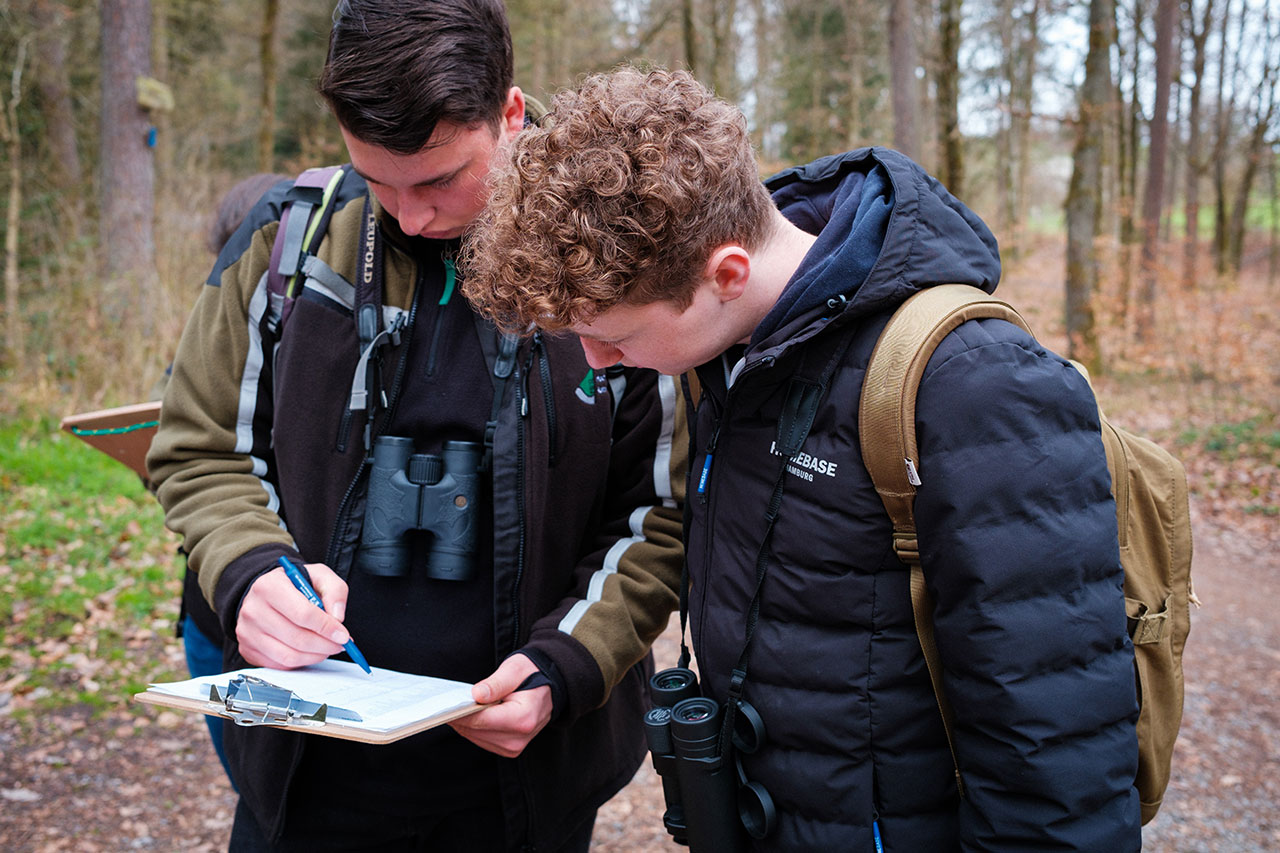
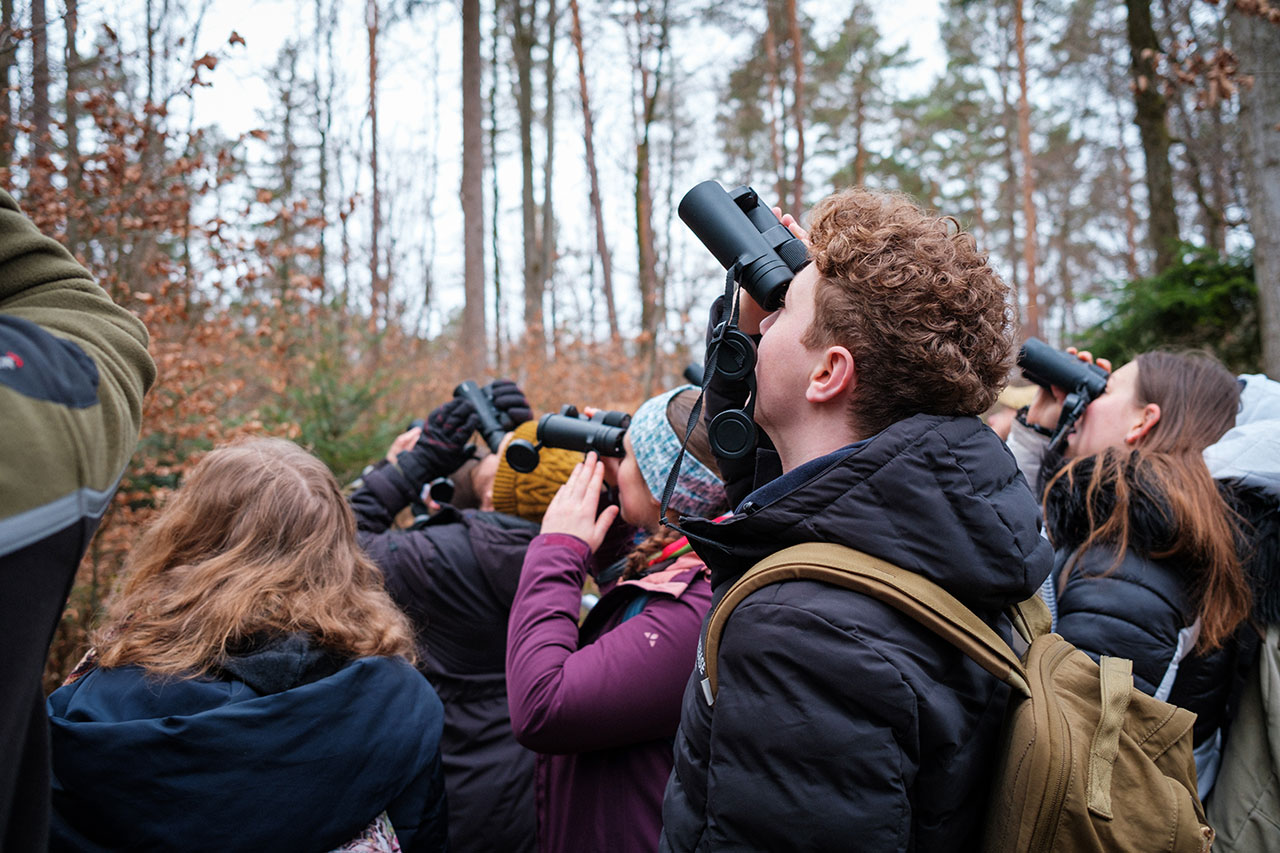
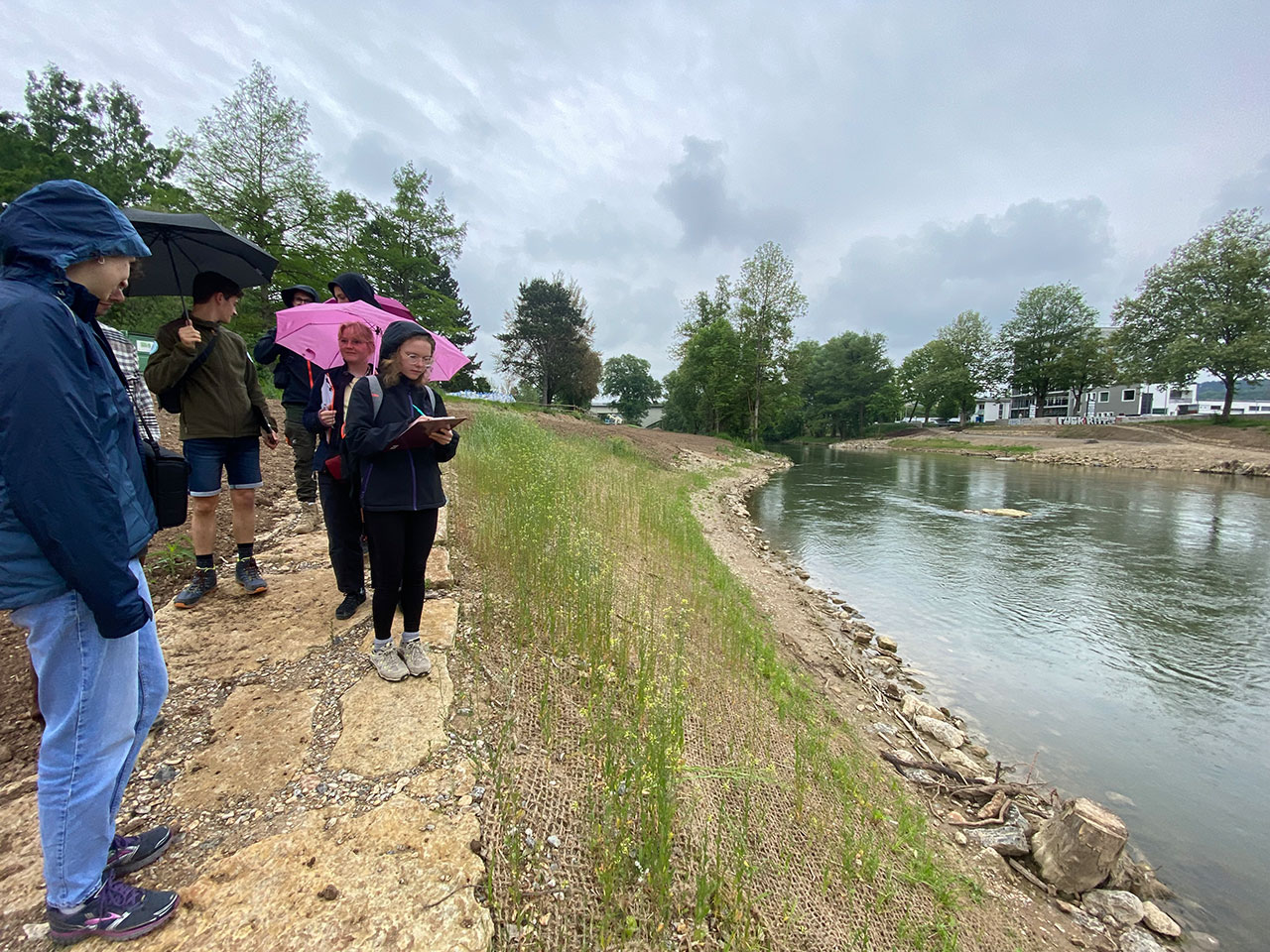
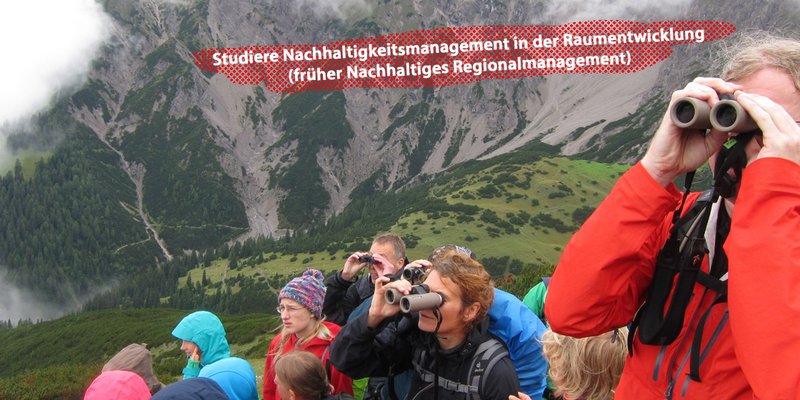
Through field trips, excursions, and project-based teaching formats, students gain hands on experience with the requirements of the sustainability transition in regions and cities. Method training and project work with partners from municipalities, nature and landscape conservation, the energy and land use sectors, as well as politics and public administration, ensure a labor market oriented, interdisciplinary education.

And after that?

Graduates possess solid subject knowledge and methodological skills for entering municipal sustainability management. In addition, they qualify for numerous master’s programs in the fields of regional development, environmental and resource management, climate protection, spatial planning, or sustainability sciences.

Study programme

The B.Sc. Sustainability management in Spatial Development programme offers a unique professional qualification degree in seven university semesters. The acquisition of planning and analytical-methodical skills, as well as competencies in the areas of citizen participation, transformation and change, economics, politics, and society, are the foundation for being able to shape change processes in regions and cities.

Figure 1 Study Plan

Ablaufschema Studiengang B.Sc. Nachhaltigkeitsmanagement in der Raumentwicklung

Basic study programme (1st and 2nd semester) moreless

In the basic studies of the first and second semesters, social science and natural science fundamentals are taught. In addition, methodological skills such as public speaking and mediation are taught.                                            

The courses of the basic studies deal with, among other things:                        

  • Fundamentals of Social Change
  • Fundamentals of Economics
  • Environmental protection and ecology
  • Fundamentals of Sustainable Development
  • Scientific methods 1 Fundamentals of Ecology: Knowledge of Forms Flora and fauna
  • Land use systems
  • Governance and Participation 1
  • Project management and communication
  • Scientific methods 2

Main study programme (3rd-7th semester) moreless

In the third and fourth as well as the sixth and seventh semesters of the main study program, alongside the deepening of fields such as marketing or citizen participation, content with concrete practical relevance is the focus.

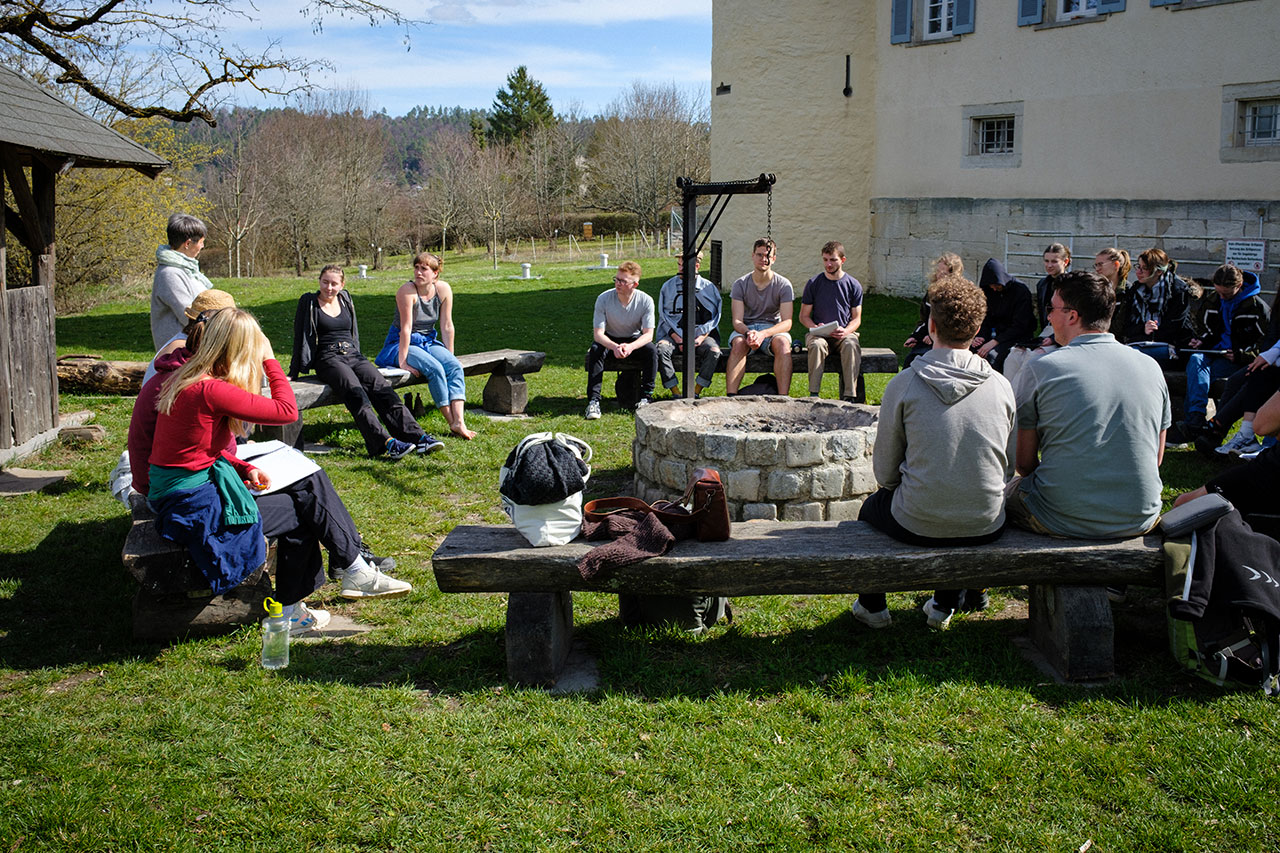
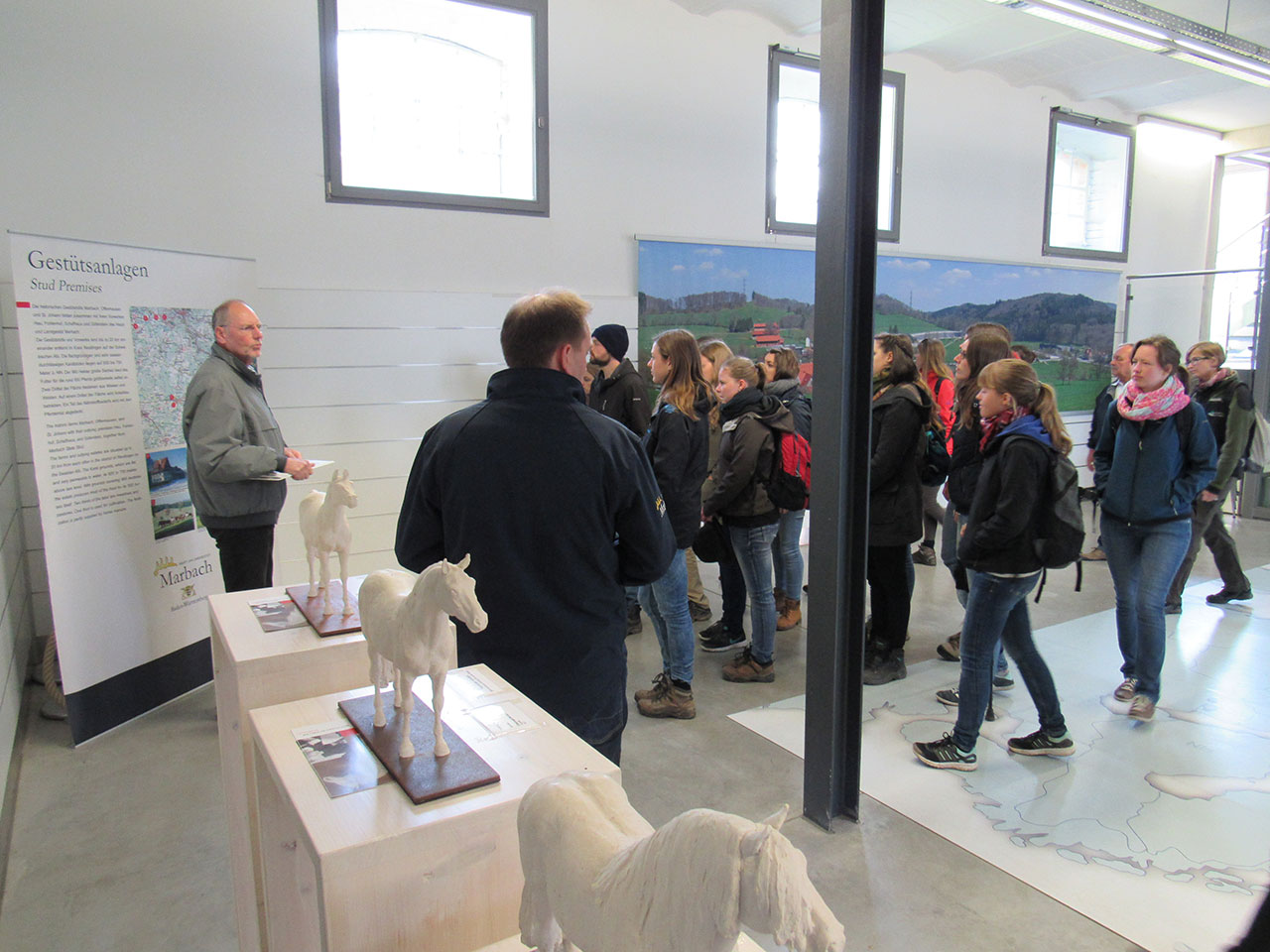
The courses are conducted in different formats: in addition to seminar-style courses, there are applied, practice-oriented courses that promote teamwork and self-organized learning. Some courses include field trips and excursions to observe relevant practical examples.

The courses of the main study program deal, among other things, with:

  • Financial Economics
  • Spatial planning
  • Use spaces sustainably for tourism
  • Cartography and Geographic Information Systems (GIS)
  • Migration
  • Sustainable value creation networks
  • Entrepreneurship
  • Digital transformation
  • Skills for Social Change
  • Sustainable settlement development
  • Interdisciplinary project Development cooperation

Practical semester, integrative project, and Bachelor's thesis moreless

In the practical semester (5th semester), there is the opportunity to gain comprehensive insights into relevant professional fields in a company, organization, association, etc., either domestically or abroad. Often, the foundation for the topic of a bachelor's thesis is already laid here. Important contacts with potential employers are also established.

Subsequently, the students have the opportunity to successfully implement a project in teamwork with a practical partner as part of the Interdisciplinary Project (6th semester). The interdisciplinary topics are based on consulting and research projects that are being worked on at the HFR.

With the bachelor's thesis and the associated colloquium in the 7th semester, the students complete their studies and have, among other things, the opportunity to further qualify themselves through a master's program after successfully completing their bachelor's degree.
Study Content

Overview of Modules in the Basic Studies

 Module ECTS
Foundations of Societal Change5
Fundamentals of Economics7
Environmental Protection and Ecology7
Principles of Sustainable Development5
Scientific Methods I6
Fundamentals of Ecology: Identification of Flora and Fauna5
Land Use Systems8
Governance and Participation I5
Project Management and Communication6
Scientific Methods II6

Overview of Modules in the Advanced Studies

ModuleECTS
Financial Management6
Spatial Planning6
Sustainable Tourism Development6
Cartography and Geographic Information Systems (GIS)6
Migration6
Sustainable Value Creation Networks7
Entrepreneurship6
GIS Projects7
Digital Transformation5
Transformative Competencies5
Sustainable Urban Development6
Socio Ecological Transformation10
Interdisciplinary Project10
Governance and Participation8
Development Cooperation6
Elective Modules6
Integrated Practical Study Semester30
Bachelor’s Thesis14
Career Fields

The degree program Sustainability Management in Regional Development is designed for a broad spectrum of professional fields.

Graduates are equipped to support regions and cities on their path toward more sustainable economic and societal structures. They are able to understand complex challenges of the sustainability transition, develop practical solutions, and implement feasible ideas together with local stakeholders.

These tasks require interdisciplinary and systems thinking, the ability to transfer knowledge into practice, sound judgment, and strong solution oriented skills.

Career Fields:

Possible Career Fields:

  • Sustainability manager in a city or municipality
  • Climate protection manager / climate adaptation manager
  • ESG / CSR manager (Corporate Social Responsibility)
  • Employee in public authorities for environment, nature conservation, agriculture, or energy
  • Project work in energy cooperatives, municipal utilities, or environmental organizations
  • Regional developer in district administrations
  • Work in LEADER regions or regional associations
  • Development of regional development concepts
  • Development of sustainable tourism strategies
  • Work in landscape and environmental planning offices
  • Biodiversity management in regions or companies
  • Project work in national parks, nature parks, or biosphere reserves
  • Participation in citizen engagement and transformation processes
  • Moderation of citizen dialogues
  • Consulting in sustainable business models, including economic development
  • Work in environmental NGOs (e.g., BUND, NABU, WWF)

The NAReG team continuously monitors the job market for graduates.

Further Studies:

After successfully completing the bachelor’s degree, graduates have the opportunity to further qualify through a master’s program.

How to Apply

The degree program Sustainability Management in Spatial Development has no admission restrictions, meaning an unlimited number of study places is available.

Further information on the application process can be found here.

Additional Information

Further information about the B.Sc. Sustainability Management in Spatial Development can be found here.